The Liberation War (1990-1993) witnessed the Rwandan Patriotic Army (RPA) attempt to liberate Rwanda from President Juvenal Habyarimana’s Second Republic. The war’s strategy focused on implementing the Rwandan Patriotic Front’s (RPF) Eight-Point Programme.
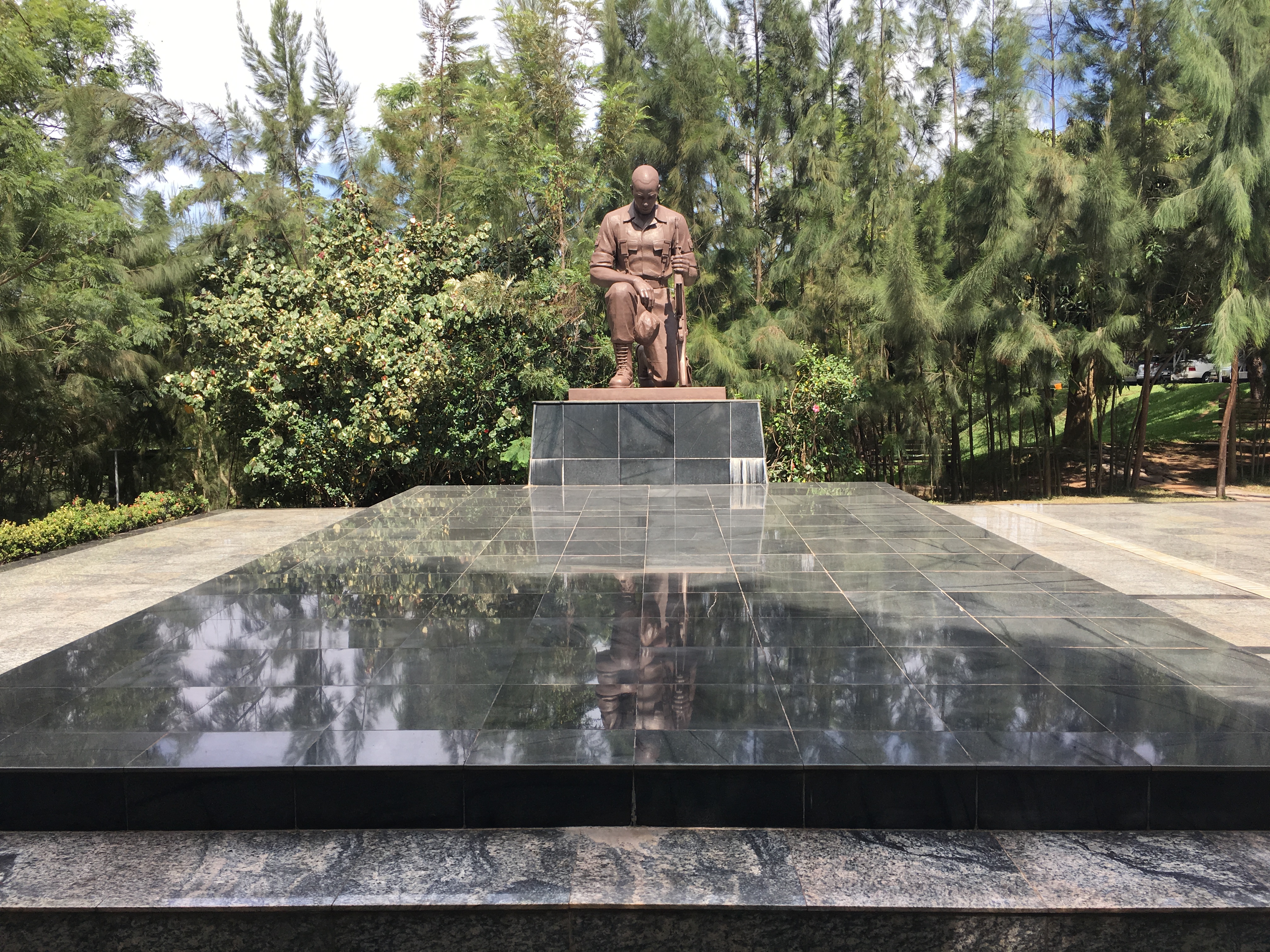
Liberation War (1990-1993)
On October 1st, 1990, the Rwandan Patriotic Army (RPA) crossed the Ugandan border into Rwanda. This military operation initiated the Rwandan Civil War, more commonly known in Rwanda as the Liberation War. The RPA’s goal was to force the Rwandan government, under President Juvenal Habyarimana and the akazu, to engage with the problem of the hundreds of thousands of Rwandan exiles.
Skirmishes and the Heated War
Despite several cease-fires, conflict often reignited after pogroms and massacres against Rwanda’s Tutsi population. Multiple skirmishes and combat occurred in 1991, 1992 and 1993. This period illustrated how the force was not going away despite the initial RPA setback in 1990.
Arusha Accords (1993)
The 1993 Arusha Accords ended the Rwandan Civil War and led to the hope of future social, political, economic and military change between various actors. While the Rwandan Patriotic Force (RPF) achieved much of its desired negotiation goals, for the Habyarimana regime and the akazu, it was just a stopgap for them to gain the time needed to plan for the Genocide against the Tutsi.
 Jonathan R Beloff