Understanding how Rwanda’s capital city of Kigali became engulfed by the Genocide against the Tutsi, and how it ended.

Abstract for: Military Strategies During the Genocide Against the Tutsis in Rwanda
This is an Arts and Humanities Research Council (AHRC) research grant (AH/W001217/1) focusing on how the Campaign against Genocide War, known outside Rwanda as the Civil War, was fought in Kigali. Below is the research grant’s abstract (Link) and insights into the project.
Rwanda has been a primary location site for conducting genocide studies ever since the 1994 Genocide Against the Tutsi, also referred to as the 1994 Rwandan Genocide. Over the past thirty years, academic researchers and journalists have conducted in-depth research and analysis of the genocidal massacres. Much of this research focuses on the events during the genocide between genocide perpetrators, Hutu extremists known as the Interahamwe, and the Tutsi victims. During a one-hundred-day period, an estimated 800,000 Tutsis and moderate Hutus were killed, with this critical event only ending with the removal of genocidal forces by the mostly Tutsi rebel group, the Rwanda Patriotic Front (RPF). Its military wing, the Rwanda Patriotic Army (RPA), was militarily responsible for combating Forces Armées Rwandaises (FAR) in the larger conflict of the Rwandan Civil War (1990-1994), which had raged on since October 1990. However, the final months of the conflict witnessed not only military confrontations between the two military actors but also the addition of genocide forces wishing to kill Tutsis and any Hutus who defied their extremist Hutu supremacy beliefs. Numerous cease-fires accumulated into the 1993 Arusha Accords, which provided hope for Tutsis and moderate Hutu groups for political reforms and a secure civil society. However, the assassination of Hutu President Juvénal Habyarimana on the night of April 6th began a new dynamic within the conflict of genocidal massacres that complicated terms of peace and would reignite the Civil War within days. While the genocide is well researched within scholarly and journalistic publications, there is a significant gap in how the military campaigns between the opposing military forces of the Rwanda Patriotic Army (RPA) against the Forces Armées Rwandaises (FAR) impacted the rate of killings.
Each topic below contains photos, maps, and PowerPoints.
The PowerPoints are critical sources for understanding how the Rwandan Patriotic Army (RPA) ended the Genocide against the Tutsi. While these are freely downloadable, please request permissions for any non-educational uses (campaignagainstgenocideproject@gmail.com) or Link
Audio Discussion: New Books Network, on January 10, 2025, on the book The Strategy to End the Genocide Against the Tutsi in Rwanda: Understanding the War in Kigali Link
Overview
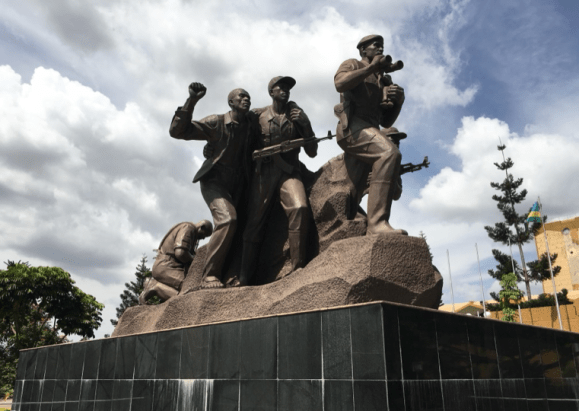
Introduction to how the Rwandan Patriotic Army (RPA) ended the Genocide against the Tutsi
Liberation War
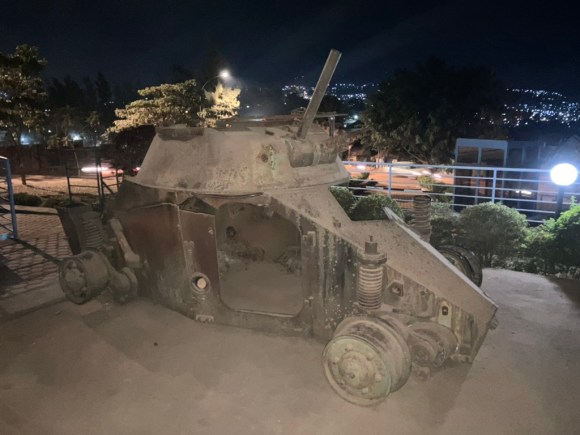
Rwanda was engulfed in war after decades of social division, exile & economic decline, leading to the 1993 Arusha Accords
April 6-12
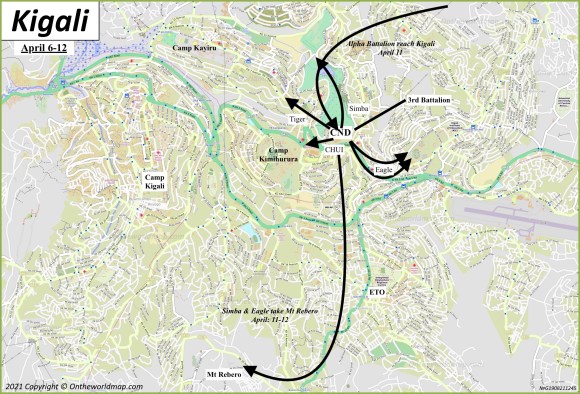
The beginning of the Genocide against the Tutsi & how the RPA entered Kigali
April
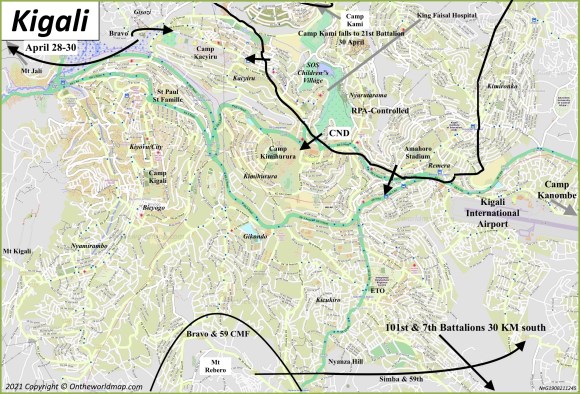
The Genocide’s initial month & the formation of trenches and combat zones in Kigali
May
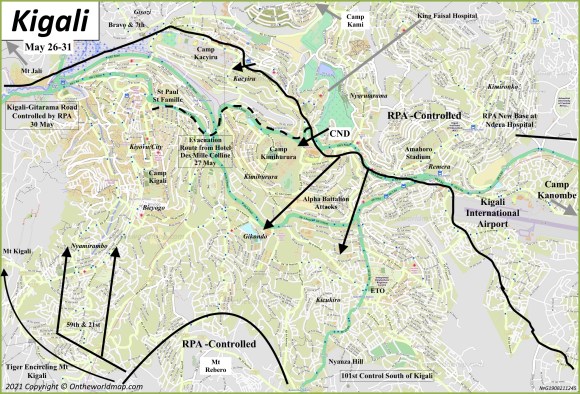
The war to stop the genocide continues slowly
June and July
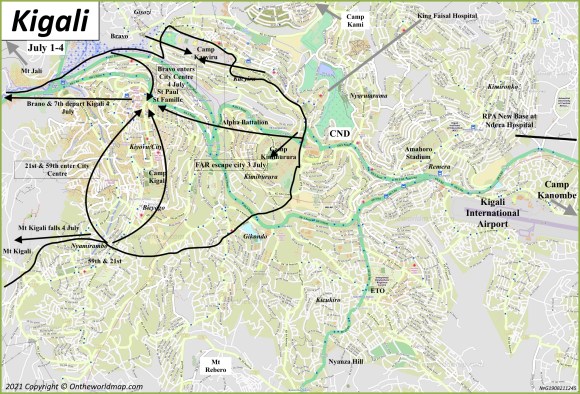
Fighting intensifies until the RPA ends the Genocide by liberating Kigali
Genocide Denial
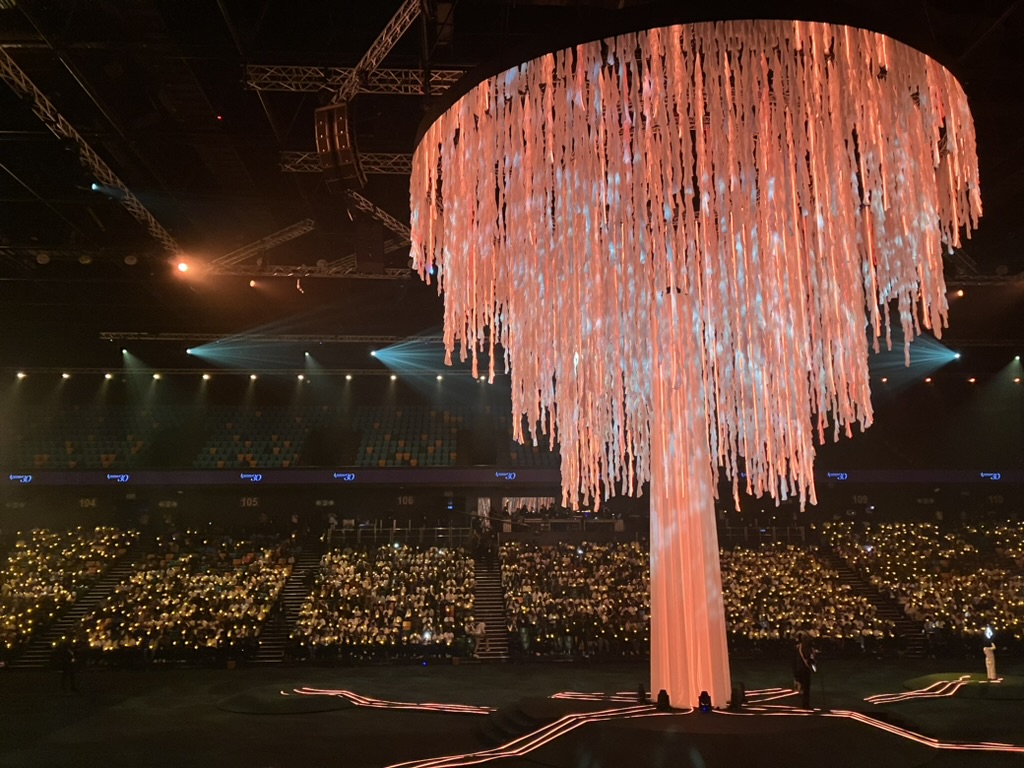
Since the Genocide against the Tutsi, deniers continue to skew historical facts to fit political narratives.
Book
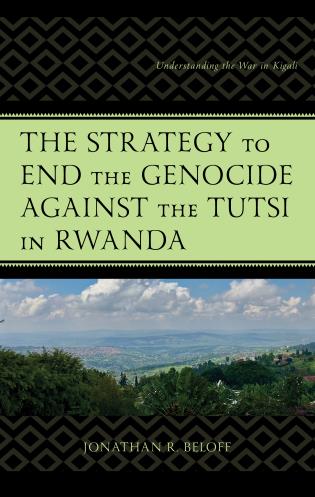
“The Strategy to End the Genocide against the Tutsi in Rwanda: Understanding the War in Kigali”
Remembrance
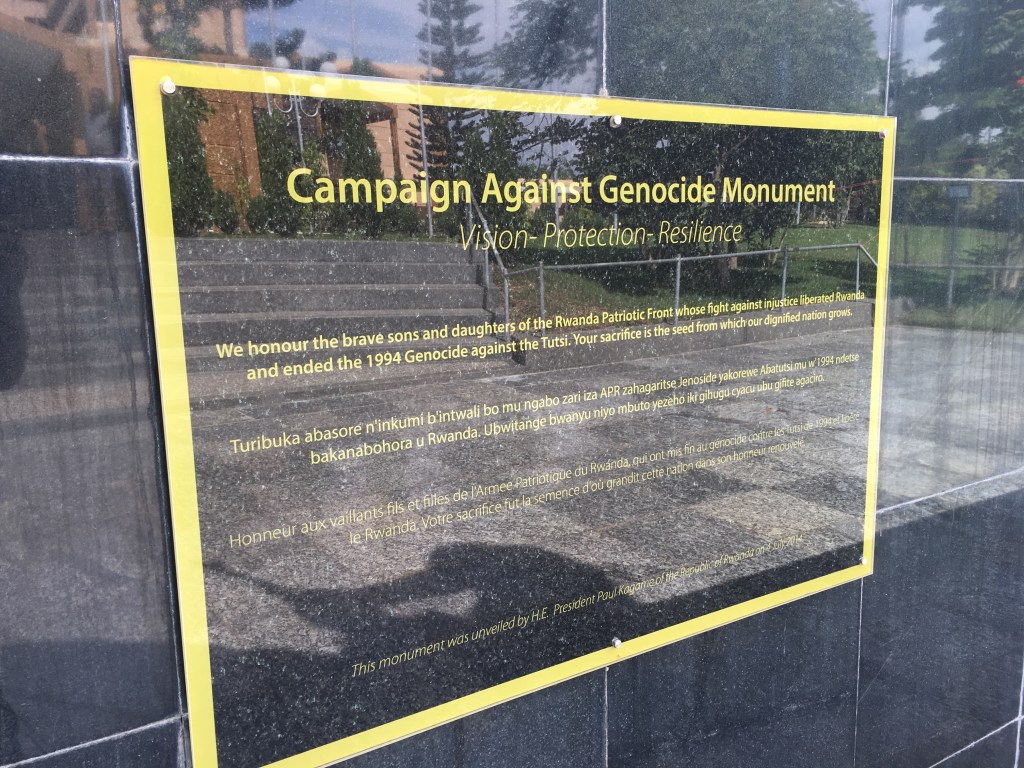
Remembering the Campaign against Genocide War
Timeline of Campaign War
A day-to-day examination of the Campaign against Genocide War in Kigali
Contact
Contact Information
 Jonathan R Beloff